Triarchy Talent Tree Guide
How ability unlocks shape soft support, damage, and flex roles in co-op before launch.
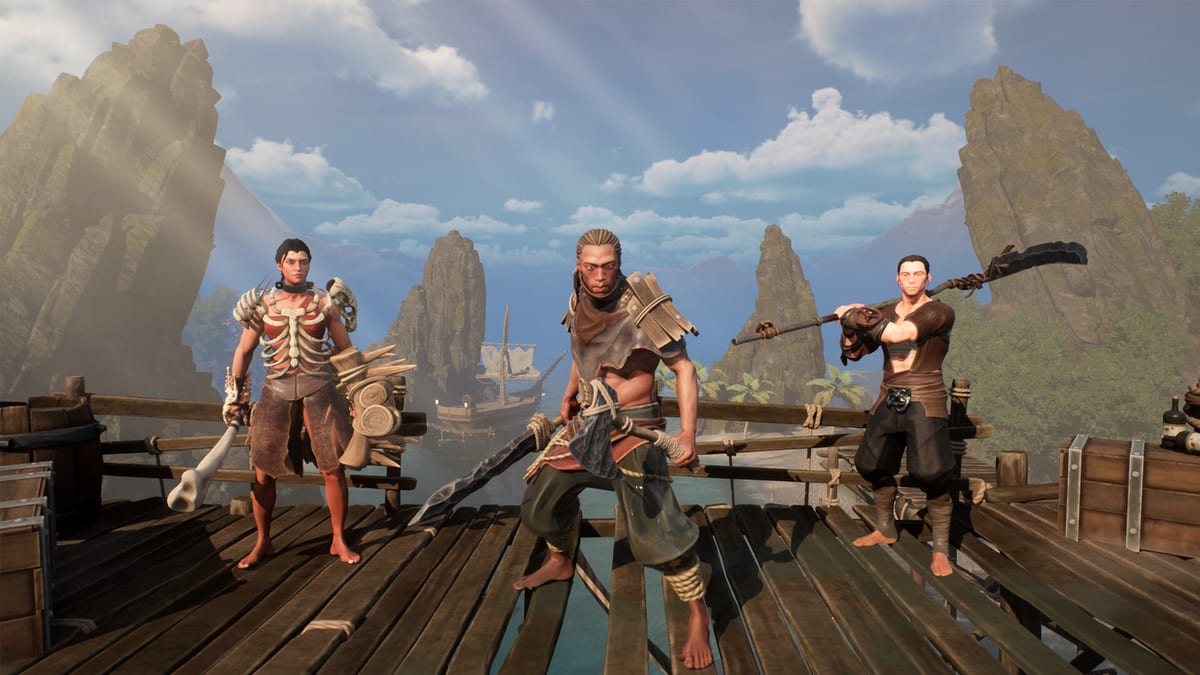
Triarchy’s progression spine is a talent tree you fill as you level. Digital Confectioners describes abilities that decimate foes or support allies, letting you nudge toward damage, utility, or a hybrid flex identity without picking a permanent class. The game is not released yet—targeting 2026 on Steam—but trailers, the official site, and playtest footage already show ability slots tied to deliberate melee combat.
This guide explains how to read the tree for party planning, how talents interact with dual-wield weapons, and what we still do not know until the next public test.
How the talent tree fits combat
Triarchy combat is stamina-aware: dodges, parries, and poise breaks matter as much as raw damage. Talents therefore tend to amplify windows rather than replace fundamentals. A damage talent might extend stagger duration after a perfect parry; a support talent might grant allies stamina recovery when you break poise; a flex node might trade personal burst for a short team shield during boss phase transitions.
Because co-op uses enemy scaling for one to three players, talents that help newcomers survive often pay off even when raw DPS looks lower on paper. Read Combat Basics before you chase high numbers—abilities assume you can reach the boss without emptying stamina on adds.
Soft roles through talents, not classes
Press materials note holy-trinity-inspired soft roles emerging in co-op prototypes. In wiki terms we map those to three planning buckets:
Damage path
Damage-leaning talents prioritize poise break, combo extension, and on-hit amplification. They pair well with aggressive weapon pairings that apply bleed, shock, or stagger stacks. In trio play, one dedicated damage sailor is often enough if others cover sustain and revives.
Support path
Support-leaning talents emphasize ally buffs, cleansing, or creating space during telegraphs. Official copy explicitly mentions helping your party—expect abilities that reward timing assists around parries rather than passive aura stacking. Support does not mean low damage; it means your talents raise team uptime during multi-phase arenas described on the Bosses hub.
Flex path
Flex is the default recommendation for solo playtesters and rotating groups. You take enough sustain to sail alone, enough burst to contribute in duos, and one utility node so a third player can specialize. Flex sailors often craft versatile armor at the ship workbench instead of min-maxing one boss.
See the Role Tier List for pre-release theorycraft on which bucket is easiest to fill in a three-player crew.
Synergy with weapons and crafting
Talents are only half the build. Weapons bring unique movesets and on-hit effects you can mix through freeform dual-wielding. A talent that increases stagger value multiplies a hammer main-hand; a talent that spreads elemental status rewards a fast off-hand with a different proc.
Crafted armor and weapons from island materials further bias your tree. If you craft heavy poise-breaking gear, you can spend fewer talent points on stagger and more on mobility or ally shields. If you craft lighter kits for exploration, invest talents in stamina efficiency and assist-friendly sustain.
The Character Creator handles appearance separately from power—plan visuals after you know your role so you are not re-rolling face sliders every respec.
Leveling pace and party coordination
Shared progress means your talent choices persist on your character when you join friends. Coordinate early:
- Decide who covers support utilities versus raw stagger.
- Avoid three identical damage trees unless you enjoy wipe-learning boss patterns.
- Align assist settings so newer players can widen parry windows without forcing difficulty on veterans.
- Revisit trees after Challenge Mode attempts—harder rematches may need defensive talents even if story content felt easy.
Drop-in co-op described in Co-op Hub means late joiners might arrive mid-act with a different tree than the host. Keep one flex respec mindset: carry materials for a craft pivot instead of assuming day-one nodes last the whole campaign.
What we are still waiting to confirm
Public information has not pinned exact node counts, respec currency, or cross-tree restrictions. Playtest builds may disable late-tier talents to shorten sessions. Track changes on Updates after each Steam event.
Until launch, use this page as a planning vocabulary: when footage shows a new ability, ask which role bucket it fills and whether it duplicates a weapon on-hit effect you already stack.
Suggested pre-release study order
- Skim Weapons and Dual-Wield for proc types you want talents to amplify.
- Read Assists so tree choices match your personal difficulty sliders.
- Run the Playtest Checklist before spending a 24-hour window experimenting.
- After testing, post structured feedback on Steam or Discord linked from Official Links—ability clarity is high-value developer input pre-2026.
Frequently Asked Questions
Quick answers drawn from Steam playtests and official announcements.
Does Triarchy use a traditional class system?
No fixed classes have been announced. Identity comes from the **talent tree**, weapons, and crafted gear. Roles are soft and changeable rather than locked at character creation.
Can one character mix damage and support talents?
Marketing emphasizes choosing abilities that fit your playstyle, which implies hybrid builds are intended. Deep hybrid efficiency will depend on final point costs—we will update after verified playtest trees leak.
Do talents affect ship systems?
Ship upgrades like the Map Table are separate progression tracks. Talents focus on personal combat and party utility during island content and boss arenas.
Should solo players prioritize flex talents?
Yes. With **enemy scaling** tuned for one sailor, flex sustain and poise tools usually outperform pure support nodes that assume allies are always in range.
Will this guide update at launch?
Absolutely. Once Triarchy ships in 2026, expect respec guides, endgame trees, and Challenge Mode recommendations here and on the Builds Hub.